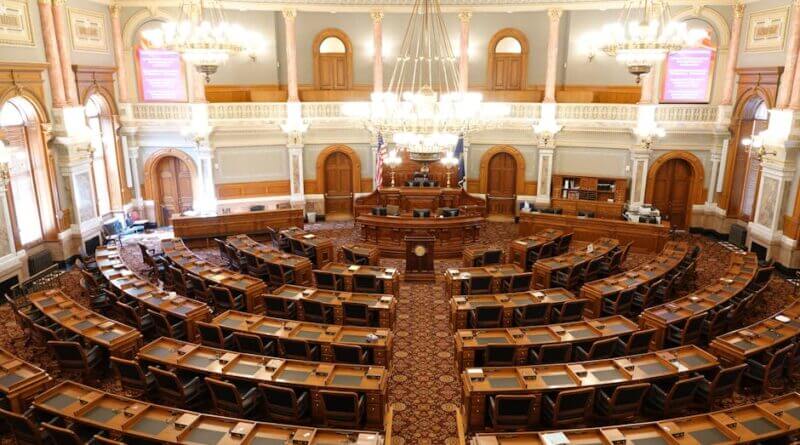
Mississippi lawmakers on Sunday evening completed the bulk of their $7.36 billion budget for the upcoming fiscal year, signaling they will end their 2026 legislative session by the end of the week. While final votes are still needed Monday for about eight agencies, leaders say the spending plan will increase total state expenditures by roughly $225 million, or 3% over the current year.
Spending growth is primarily attributed to a $2,000 pay raise for teachers and increased funding for Medicaid, according to House and Senate leaders. Senate Appropriations Chairman Briggs Hopson, a Republican from Vicksburg, said lawmakers had limited flexibility after accounting for these increases. Democrat Sen. Hob Bryan of Amory criticized the budget, citing tax cuts and the phase-out of the income tax as causes of strained state funds.
Major agency budgets were agreed upon over the weekend, including a $121 million increase for K-12 education, bringing it to $3.46 billion. Medicaid saw the largest jump, with a $165 million increase to $1.17 billion. Other agencies, such as the Department of Health and Corrections, saw reductions or modest increases, with DHS facing a nearly $50 million cut.
The state’s $3.4 billion K-12 education budget was not yet approved by the House as of Sunday. House lawmakers delayed passage, awaiting a finalized report from the Senate on education policies, including teacher pay and literacy programs. Senate Education Chairman Dennis DeBar delivered the report hours after the House’s appropriations calendar was underway.
Medicaid funding also drew attention, with lawmakers allocating $1.17 billion, a $165 million increase despite a drop in enrollment. The rise is partly due to the depletion of federal pandemic relief dollars, forcing the state to cover more costs with state funds. Hopson noted that part of the funding comes from one-time capital reserves for the first time in years.
In social services, lawmakers approved a nearly $50 million cut to the Department of Human Services, reducing its budget to $103 million. The move drew criticism from Democrats, who argued it would limit child care assistance, especially in a state with high poverty levels. Republican Deweese attributed the reduction to the end of federal relief funds and other budget constraints.
Efforts to reform prison spending and health care in correctional facilities failed to advance, leading to a $434 million budget for the Department of Corrections, nearly $18 million less than the current year. House Chairwoman Becky Currie plans to revisit prison health reforms next year. Overall, the budget process this year was smoother than last year’s, with House Appropriations Chair Karl Oliver noting it was “the smoothest” he had experienced in six years.