Mississippi lawmakers halt Supreme Court redistricting, pass immigration, education bills
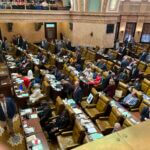
Mississippi lawmakers failed to redraw the state Supreme Court districts by a Monday night deadline, likely leaving the maps to be redrawn by a federal judge. The House and Senate could not reach agreement on the three districts, which are under judicial review for potential violations of the Voting Rights Act, according to sources.
While redistricting efforts stalled, legislators debated and approved numerous other bills on Tuesday, aiming to conclude their 2026 session by Thursday. The session has been marked by disagreements between Republican House and Senate leaders, with many major proposals rejected by each chamber.
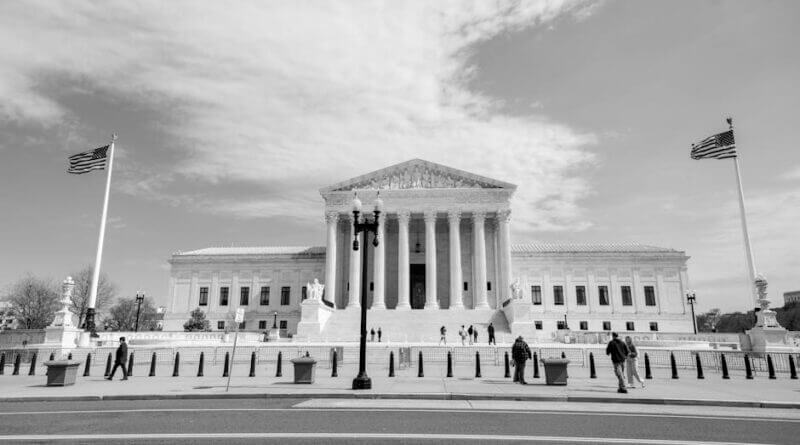
The ongoing dispute over the Supreme Court districts stems from a 2022 ruling by U.S. District Judge Sharion Aycock, who found that the districts in northern, central, and southern Mississippi violate the Voting Rights Act by limiting Black voters’ ability to elect preferred candidates. The case was filed by the ACLU, the SPLC, and private law firms on behalf of Black Mississippians.
Currently, the Mississippi Supreme Court has three districts, with only one Black justice, Leslie King, representing the central district. No Black candidate has ever been elected to the court without gubernatorial appointment, and no Black person from the other districts has served on the court, according to the ACLU.
Sen. Brice Wiggins, R-Pascagoula, indicated that pending appeals and other court decisions hindered efforts to redraw the districts. The 5th U.S. Circuit Court of Appeals has paused proceedings until the U.S. Supreme Court rules on a Louisiana case that could weaken federal voting protections, potentially influencing redistricting in Mississippi.
In other legislative activity, both chambers approved bills to enhance immigration enforcement, sending them to Gov. Tate Reeves. The measures include making illegal entry a state misdemeanor and requiring law enforcement cooperation with federal immigration authorities. Critics argued the bills could strain local resources and undermine federal jurisdiction.
<pLawmakers also negotiated changes to education policies, notably altering a teacher pay bill and revising standards for school counselors. The legislation now allows the Department of Education to establish its own ethics guidelines for counselors, removing previous requirements tied to a national code, amid concerns over parental rights and school policies.
The legislature advanced two bills to aid recovery from Winter Storm Fern, allocating over $122 million for disaster response and infrastructure repair efforts, including a $20 million appropriation for emergency services, according to sources.
Source: Original Article