With Severe Winter Weather Possible, Here is How To Prepare
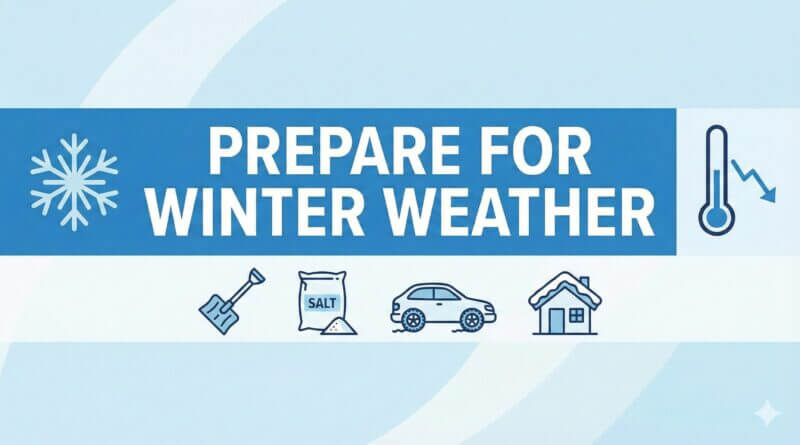
As winter weather threatens ice, snow, and dangerously cold temperatures, emergency officials urge residents to take steps now to protect their families, homes, and pets in case conditions worsen or travel becomes impossible.
Prepare your home first.
Residents should have enough non-perishable food, drinking water, and necessary medications to last at least three days for everyone in the household. Flashlights, fully charged battery banks, and extra blankets are essential if power outages occur. Keeping these supplies in a central, easy-to-access location can save valuable time during an emergency.
Plan ahead if travel is unavoidable.
Anyone who must be on the road should carry non-perishable food, water, a flashlight, a phone charger, and heavy jackets or blankets. Vehicles should start trips with a full tank of gas or a full charge. Drivers are also encouraged to let a friend or family member know when they are traveling, their intended route, and their destination.
Reduce hazards around your home.
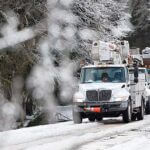
Trimming dead or weakened trees and limbs can help prevent damage to homes, vehicles, and power lines during ice accumulation or high winds.
Check on others.
Residents are encouraged to assist neighbors, elderly individuals, or those with disabilities who may struggle to prepare or safely endure extended winter weather events.
Prevent home fires and carbon monoxide exposure.
Keep all combustible items at least three feet away from alternative heating sources such as wood stoves, propane heaters, and space heaters. Ovens and stovetops should never be used to heat a home. Generators should always be operated at least 20 feet away from buildings to prevent deadly carbon monoxide poisoning.
Protect pets and plumbing.
Pets should be brought indoors or provided with a warm, sheltered area with easy access to food and water. Homeowners should insulate exposed pipes, drain them if possible, or allow faucets to drip slowly to reduce the risk of frozen or burst pipes.
Prepare for power outages.
Phones and backup batteries should be fully charged ahead of any expected outages to ensure access to emergency information and communication.
Use caution on icy surfaces.
Falls are a leading cause of winter injuries. If walking on ice is unavoidable, residents should take slow, short steps and wear shoes with rubber treads to improve traction.
Officials stress that preparation before winter weather arrives can significantly reduce injuries, property damage, and stress during severe cold and icy conditions.