The Mississippi Legislature is preparing to vote on its own plan for spending approximately $60 million in opioid settlement funds, according to sources familiar with the negotiations. Both the House and Senate released the proposed budget bills late Friday, with a Monday deadline to approve final versions before the new fiscal year begins.
The proposed spending plan diverges significantly from recommendations made by the state’s opioid settlement advisory council, which was established last year to oversee most of the funds. Lawmakers are seeking to gain authority to allocate the money without following the council’s advice, despite the recommendations rarely matching legislative appropriations, sources said.
The legislature has introduced updates to seven appropriations bills for agencies including the Attorney General’s Office, Department of Health, Department of Mental Health, and others. These bills specify how the funds should be used starting July 1, but the final approval depends on legislative passage and Governor Tate Reeves’ signature.
Mississippi Today analyzed the appropriations, comparing them to the council’s recommendations and found that some allocations deviate from the advised amounts. The state has received tens of millions of dollars since early 2020 but has spent less than $1 million addressing the overdose crisis, according to public records.
While the 2022 law instructed lawmakers to spend most of the funds with the advice of the advisory council, recent bills suggest lawmakers are seeking more discretion. A bill sponsored by Sen. Nicole Boyd would grant the legislature power to modify recommended funding levels before final approval. The bill still requires passage and signature to become law.
Some proposed allocations raise concerns. For example, lawmakers plan to allocate $1 million for a recovery-to-work pilot program through the Department of Employment Security, despite the agency not submitting an application for funding to the council. Other projects, including $4.5 million to community mental health centers and $250,000 for a Canton-based nonprofit called Finally First, are also set to receive funding without council review, raising questions about due process.
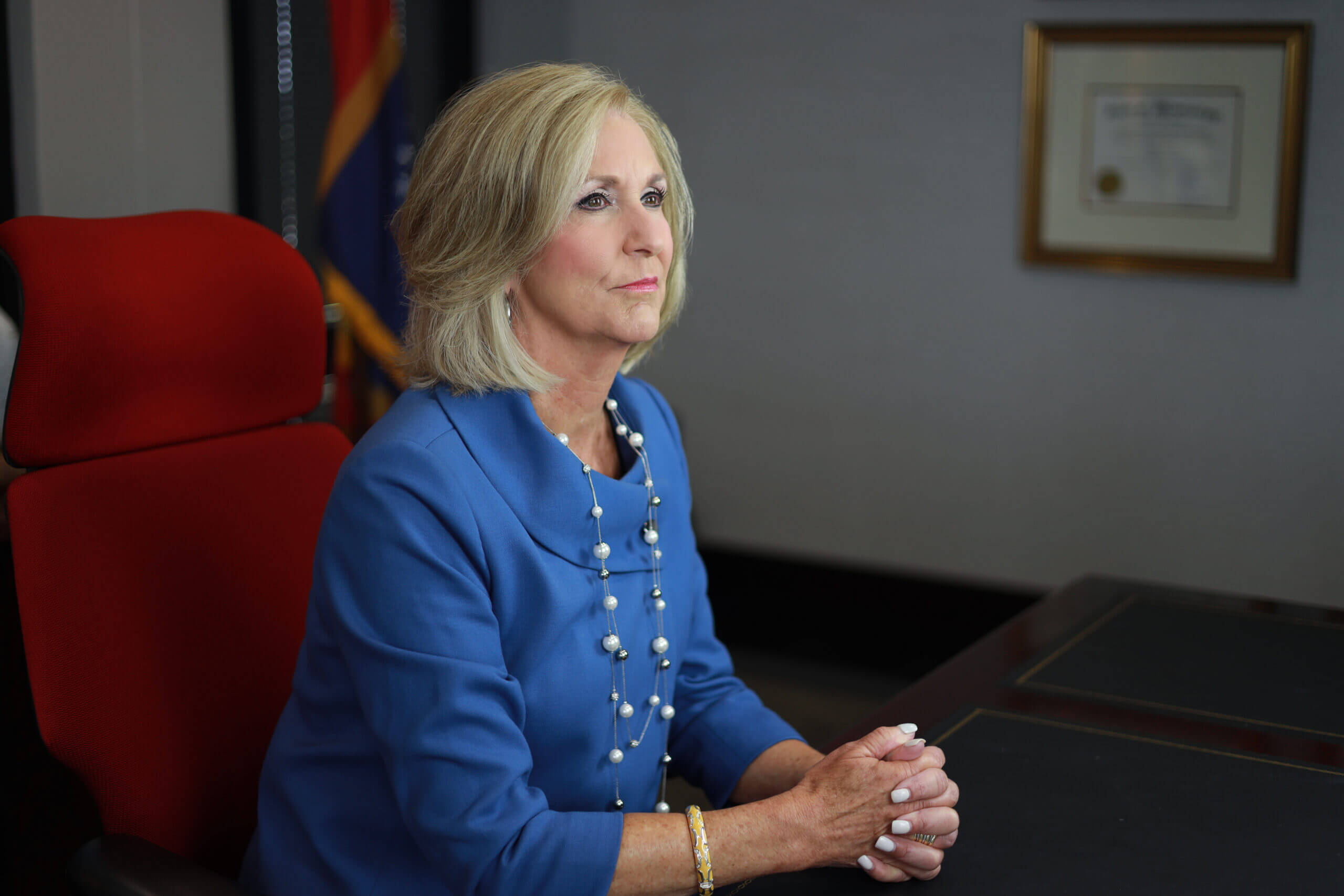
Attorney General Lynn Fitch, who has managed the funds since 2021, previously emphasized that the council’s recommendations guide the process. However, critics say the legislature’s current approach sidesteps oversight, potentially undermining transparency and accountability. The final budget approvals are pending legislative votes and the governor’s signature.