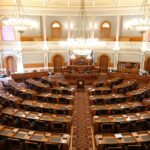
Mississippi lawmakers are nearing the end of their legislative session, with most major bills approved or in the final stages. On Monday, they appeared to settle on a $3.4 billion budget for K-12 education as part of a nearly $7.4 billion overall budget. House Speaker Jason White filed a resolution to extend the session, at least on paper, until April 15, allowing more time for negotiations. The Senate is expected to agree, though House leaders anticipate ending the session as early as Thursday.
The session extension is a procedural move, as the Mississippi Constitution prohibits passing spending bills during the last five days of a session. The final day is scheduled for April 5. The extension provides a cushion for final votes on revenue and spending bills, according to House Rules Committee Chairman Fred Shanks.
Lawmakers also approved changes to the Public Employees’ Retirement System, aiming to address unfunded liabilities. The final agreement includes reducing the service requirement for full retirement from 35 to 30 years, allowing retirees to return to state work after 30 days, and basing retirement payments on the highest four years of salary. The proposal did not include a $1 billion infusion into the system, which was rejected earlier this session.
In other action, the chambers approved a bill requiring the Department of Corrections to provide protective equipment to prisoners handling raw chemicals. The measure, authored by Rep. Justis Gibbs, was prompted by a lawsuit filed after a woman contracted terminal cancer from exposure to industrial cleaning chemicals during her prison work assignment.
The legislature also agreed on a $41 million allocation from the Gulf Coast Restoration Fund, funded by BP settlement money, for various projects along the coast. The projects include harbor repairs, shipbuilding facility upgrades, and a new museum. Some funds were allocated to projects not recommended by the Mississippi Development Authority, raising concerns about oversight, according to a March report from the state auditor’s office.