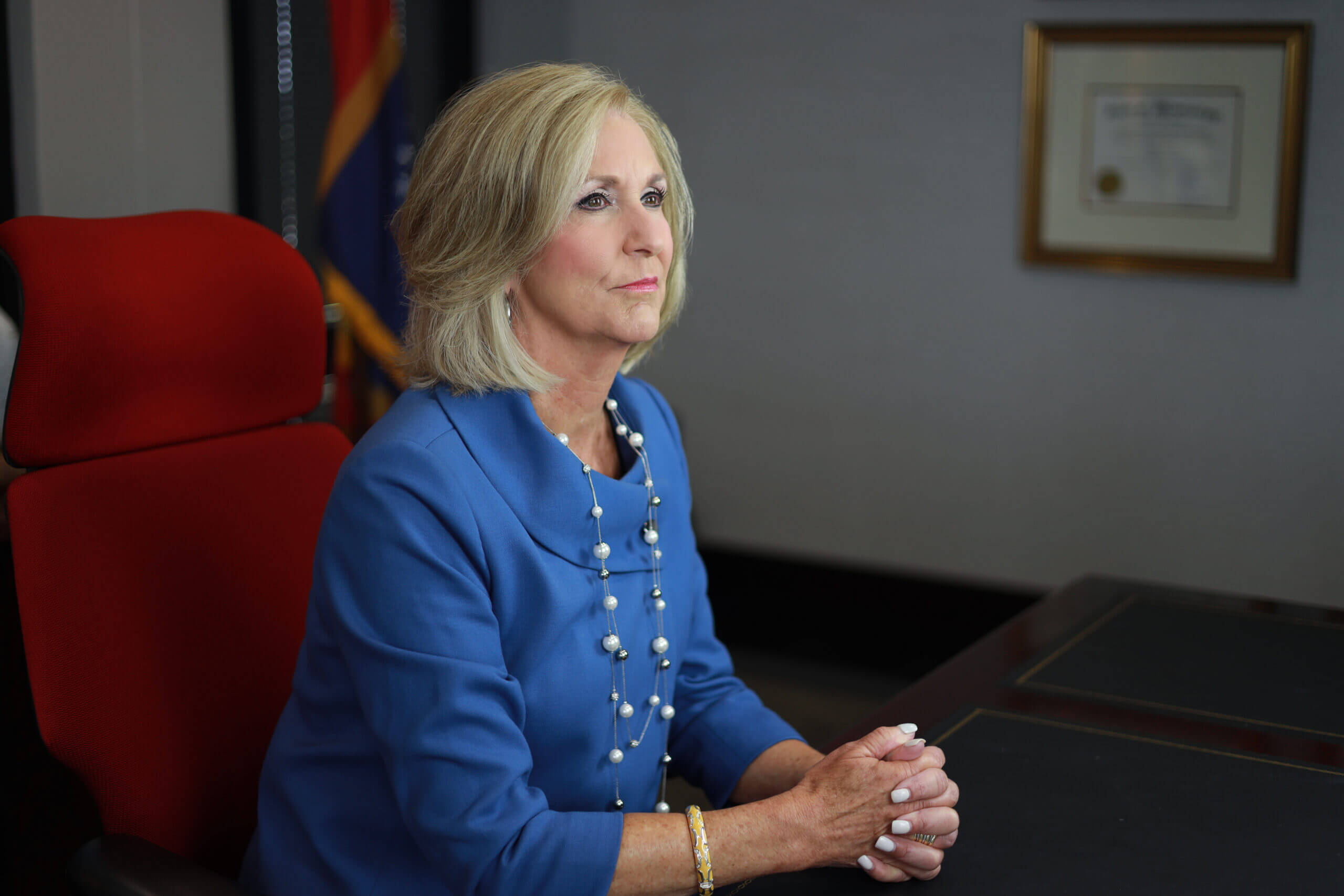
Mississippi lawmakers have sent a bill to Gov. Tate Reeves aimed at reforming the state’s opioid settlement laws as officials prepare to make their first spending decisions from the funds. The Senate bill would alter how the state distributes hundreds of millions of dollars gained from national lawsuits against companies linked to the opioid epidemic, which has claimed hundreds of thousands of American lives over the past two decades, according to sources.
State legislation, which is expected to oversee at least $357 million from the lawsuits through 2040, established an advisory council last year to oversee the funds independently of the Legislature. The council, led by Attorney General Lynn Fitch, reviewed applications from organizations addressing the epidemic and made recommendations. However, concerns about transparency and conflicts of interest led to proposed reforms in this year’s bill.
The new legislation would require the Attorney General’s Office to contract with a third-party consultant within two months of enactment and strengthen conflict-of-interest rules. It would also grant lawmakers more power, allowing the House and Senate to amend funding recommendations instead of merely approving or rejecting them.
Notably, the bill does not include a previous provision that would have mandated tens of millions of dollars for addiction treatment. About $63 million is expected to be distributed to 147 local governments, which can spend the money freely without reporting their expenditures, according to sources. Earlier efforts to restrict local government spending to overdose prevention efforts were ultimately dropped after negotiations.
During a House floor debate, Rep. Sam Creekmore, a Republican, indicated that the attorney general’s legal opinion suggests the money was meant to cover past opioid-related expenses, not necessarily for current overdose prevention. Critics, including Rep. Jeffery Hulum, a Democrat from Gulfport, voiced concerns over the lack of accountability and transparency, especially with local governments free to allocate funds without oversight.
Fitch’s office responded via a statement emphasizing that most settlement money should be used to address addiction, citing legal agreements and the national settlement framework. Meanwhile, some lawmakers, such as Hulum, remain concerned about removing restrictions that could have ensured funds support overdose prevention efforts, especially in high-impact areas like Hulum’s home county.