Mississippi lawmakers on Sunday night approved a nearly $7.4 billion state budget for the upcoming fiscal year, a 3% increase over the current year, according to legislative leaders.
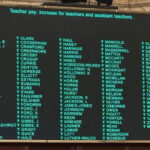
The budget includes a $2,000 teacher pay raise, less than the $5,000 proposed by the House and the $6,000 approved by the Senate. Leaders cited Medicaid funding concerns and fiscal constraints for reducing the proposed raise.
The Senate approved a $3.3 billion education budget, but the House did not. Some lawmakers and education advocates remain hopeful for last-minute negotiations to increase the raise before the session concludes, which is expected as early as Wednesday.
Lawmakers also increased Medicaid funding by about $200 million, including a $35 million deficit appropriation to cover the remainder of this fiscal year and a $165 million boost for the next budget cycle, according to officials. Other agency budgets saw smaller changes, with the total general fund now at approximately $7.368 billion, a $225 million increase from the current year.
Legislative leaders aim to complete work and send bills to Gov. Tate Reeves for approval ahead of Monday night’s filing deadline. Negotiations continue on various issues, including agency budgets and proposed reforms.
In other session developments, a bill creating a state definition for artificial intelligence was signed into law by Reeves, marking the third AI-related law enacted in the state. Additionally, negotiations over redistricting for the Mississippi Supreme Court are ongoing amid a federal court ruling requiring fairer district boundaries. Several other bills, including those related to charter schools and prison health reforms, were either stalled or killed, reflecting ongoing legislative debates.
Reeves vetoed two bills aimed at easing medical marijuana regulations, citing concerns over potential diversion and recreational use. The bills would have extended certain patient rights and access pathways but were rejected to maintain safeguards.