Hernando aldermen narrowly balance Utility Fund amid calls for greater transparency
Key Points
- Budget Balanced: The Hernando Board of Aldermen successfully closed a nearly $1 million utility fund gap through a combination of $370,000 in spending cuts and targeted rate increases.
- The Cost to Residents: For an average household using 4,000 gallons of water, the combined impact of sewer and garbage rate hikes will result in an estimated monthly bill increase of $15.64.
- Calls for Accountability: Ward 4 Alderman Chad Wicker criticized the administration for a lack of transparency, stating the Mayor must provide better communication regarding financial risks before they reach a crisis level.
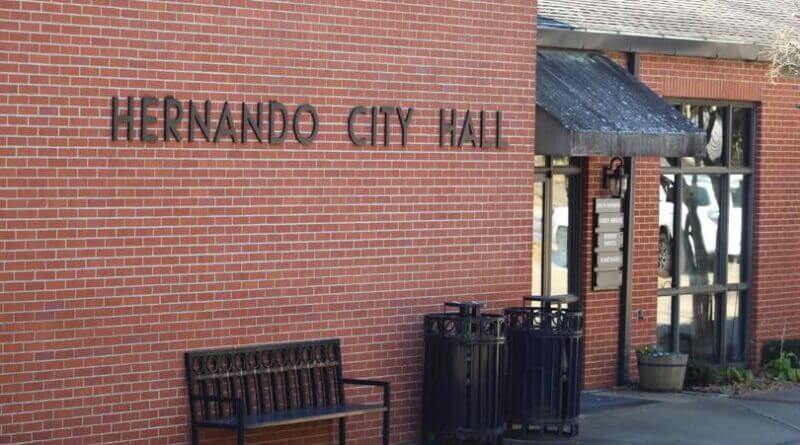
HERNANDO, Miss. — Following a grueling Tuesday night session, the Hernando Board of Aldermen successfully balanced the city’s teetering Utility Fund, though the victory came via a razor-thin vote and sharp rebukes regarding the city’s financial management.
The board utilized a two-pronged strategy to address a deficit that had ballooned toward $1 million: aggressive internal cuts and a controversial adjustment to sewer rates that left the board split down the middle.
The Math of a Rate Hike
The turning point of the meeting arrived when the board moved to increase the sewer base rate from $5.00 to $10.00 and the DeSoto County Regional Utility Authority (DCRUA) pass-through rate from $3.84 to $5.00 per 1,000 gallons. The vote ended in a 3–3 deadlock, requiring Mayor Chip Johnson to cast the tie-breaking vote to pass the measure.
Ward 4 Alderman Chad Wicker provided clarity on what this means for the local pocketbook. For a typical customer using 4,000 gallons of water, the sewer portion of the bill will jump from $20.36 to $30.00. When paired with a $6.00 garbage rate increase approved in a previous meeting, the average Hernando household will see their monthly utility costs rise by approximately $15.64.
“No one on the Board takes raising rates lightly,” Wicker stated in a post-meeting report to constituents on his social media channel. “We exhausted spending cuts first, and even then the numbers did not balance without some level of additional revenue.”
Infrastructure and “I&I”
The financial strain is largely attributed to “Inflow and Infiltration” (I&I)—a phenomenon where groundwater and rainwater leak into the sewer system. Because Hernando is billed based on total volume sent to the DCRUA treatment plant, the city has been paying to treat groundwater.
To mitigate the need for even higher rates, the board approved Finance Committee recommendations to strip approximately $370,000 in expenditures from the Utility Fund budget. These cuts were described as a necessary prerequisite before asking citizens to contribute more.
A Demand for Accountability
While the immediate deficit is resolved, the political fallout is just beginning. Alderman Wicker took the opportunity to address the “warning signs” that he claims were present long before the current crisis.
“The Mayor must do a better job communicating financial risks to the Board of Aldermen,” Wicker said, noting that the budget issue did not materialize overnight. He signaled a move toward broader reforms, including strengthening internal controls and building a “culture of accountability” to ensure the city does not find itself in a similar deficit in the future.
Compassion Amid the Crisis
The meeting also featured a poignant appeal from resident Heather Campbell. Dealing with a massive $300 bill caused by a leak at her late father’s home during his hospice care, Campbell asked for relief. Despite strict policies limiting leak adjustments, the board reached a creative consensus to allow her to open a new account in her own name, effectively separating her from the debt attached to her father’s estate.
“I’ve paid almost $800 towards the water stuff… and that’s a lot of Happy Meals,” Campbell told the board, highlighting the human element behind the evening’s complex financial maneuvering.
Mayor Johnson noted that the board remains open to revisiting the rates if revenues exceed expectations in the coming months, though the primary focus now shifts to a long-term fix for the city’s aging infrastructure.